Author: Jon Moister, Board Director, Curtins
Is a Golden Triangle of Life Sciences emerging in the North, and can this compete with the likes of the London – Oxford – Cambridge contingent, which accounts for a significant proportion of Curtins’ work in this valuable sector. That was the discussion point I put the roundtable I chaired at this year’s Life Sciences & Research Clusters Conference, which, you may note, takes place in London. What came out of the discussion was recognition of what’s needed, where we are, and the challenges we may face in the North of England in developing this cluster further.
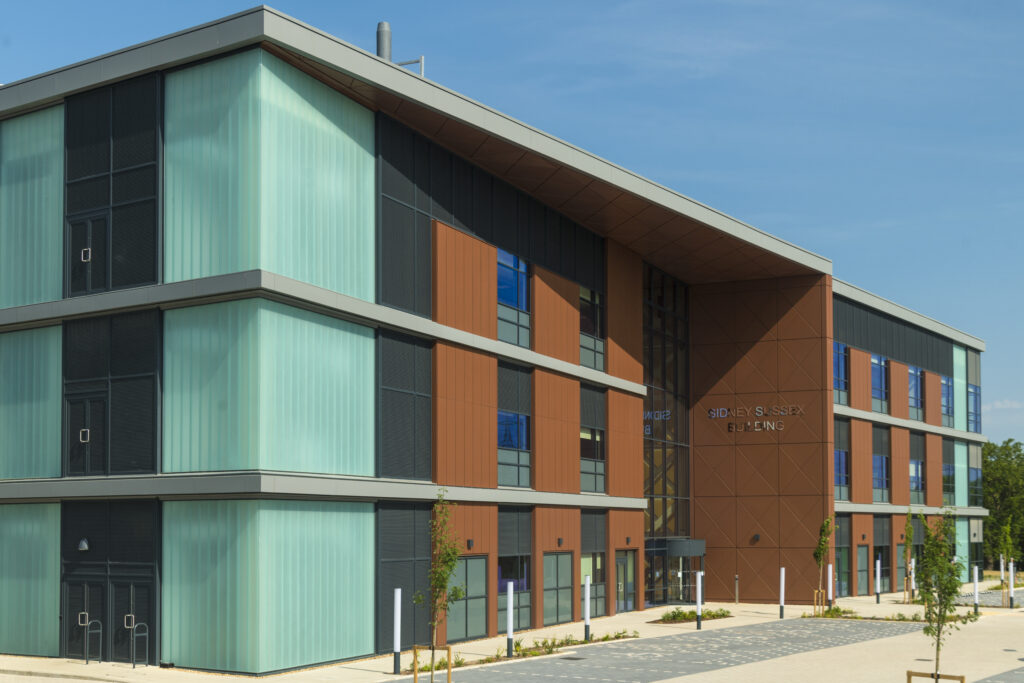
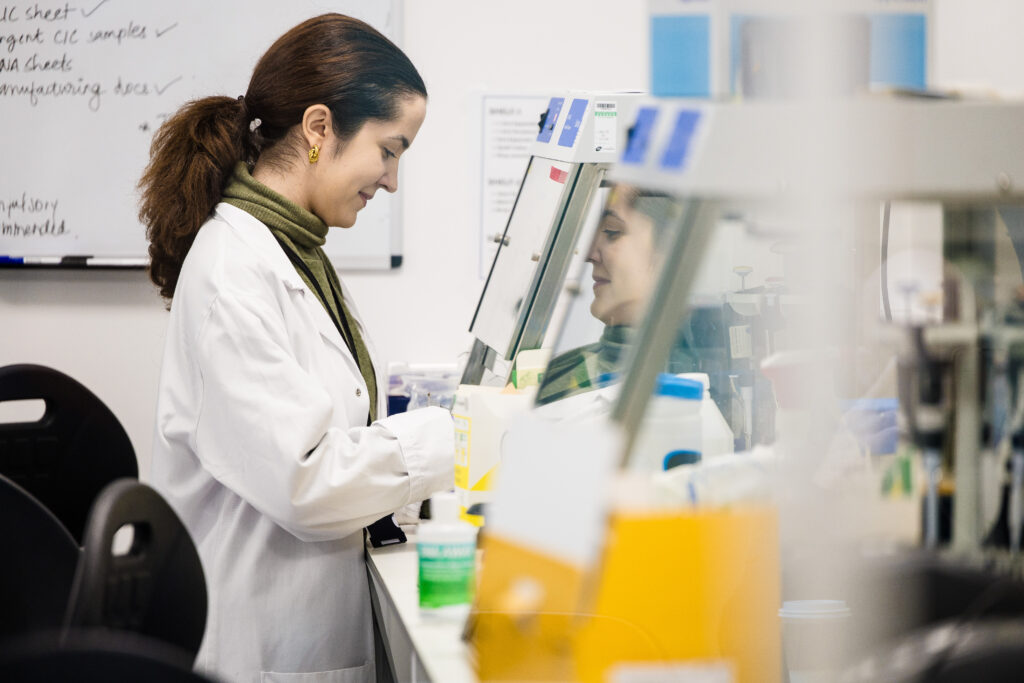
The placement of some our largest schemes in the South suggests that a successful life science cluster needs the following ingredients: research focussed academic institutions, access to talent with affordable and attractive places for them to live, links to modern healthcare facilities and close proximity to allow collaboration.
In my role as Science & Technology Sector Lead for Curtins, I can confidently say that there are research and life science hubs across the North – we are working on many of these. Collectively they account for a significant portion of the UK’s life sciences, biopharma, med tech and digital health workforce; however, several challenges exist to allow these hubs to form a cluster. And I say this from my hometown in Manchester.
Connectivity across the North is poor and whilst the recent Government spending review identified several £bn of infrastructure investment, this feels like maintenance as opposed to improvement – better public transport East / West and North / South is the key, providing reliable, cost-effective transport links but also a journey that supports digital connectivity. This is a long-term strategy therefore, perhaps the next cluster needs to plan itself around future transport investment and development?
Devolved political powers allow the Mayoral leaders to work together to support this master plan, with designated hubs specialising in areas to compliment and support others in the cluster. Whilst sensible, the main threat to this approach is the voting cycle, where aspirations to create a new cluster may far out live the term of office.
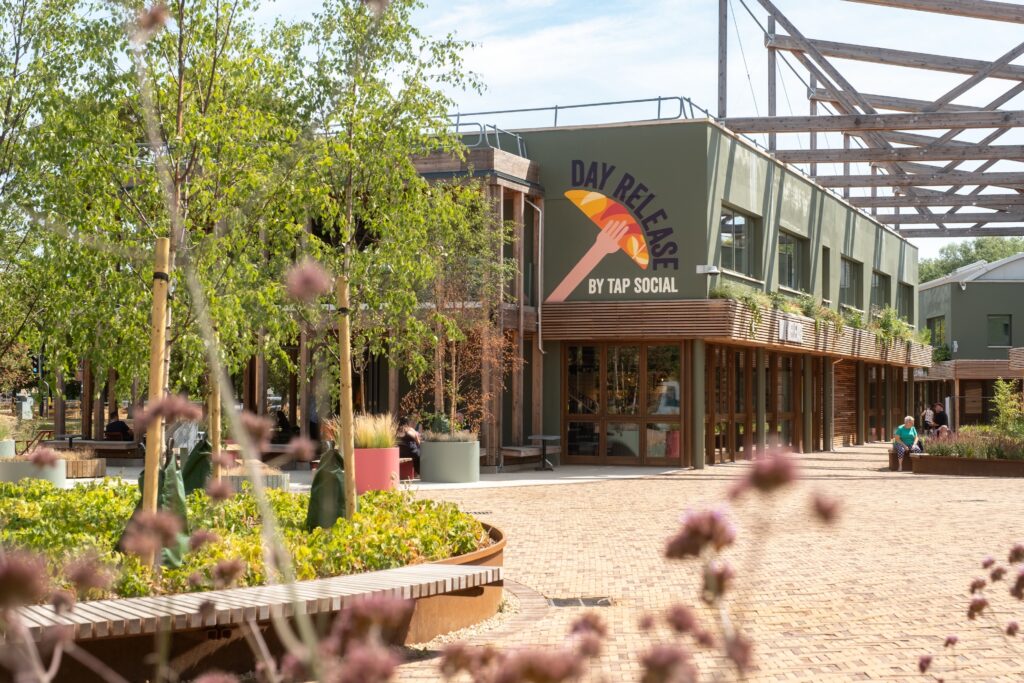
The future would appear to be a city centre location, where the viability challenges of science building development could be overcome by taking advantage of other changes in society. Hybrid working could create a surplus of office space, and alongside the changes in the high street retail industry, there are likely to be opportunities to redevelop existing buildings for science use. Adaptive thinking will be required to make this work, but close consultation with the users / occupiers is the key – who better to help overcome a problem than the inventors and problem solvers?
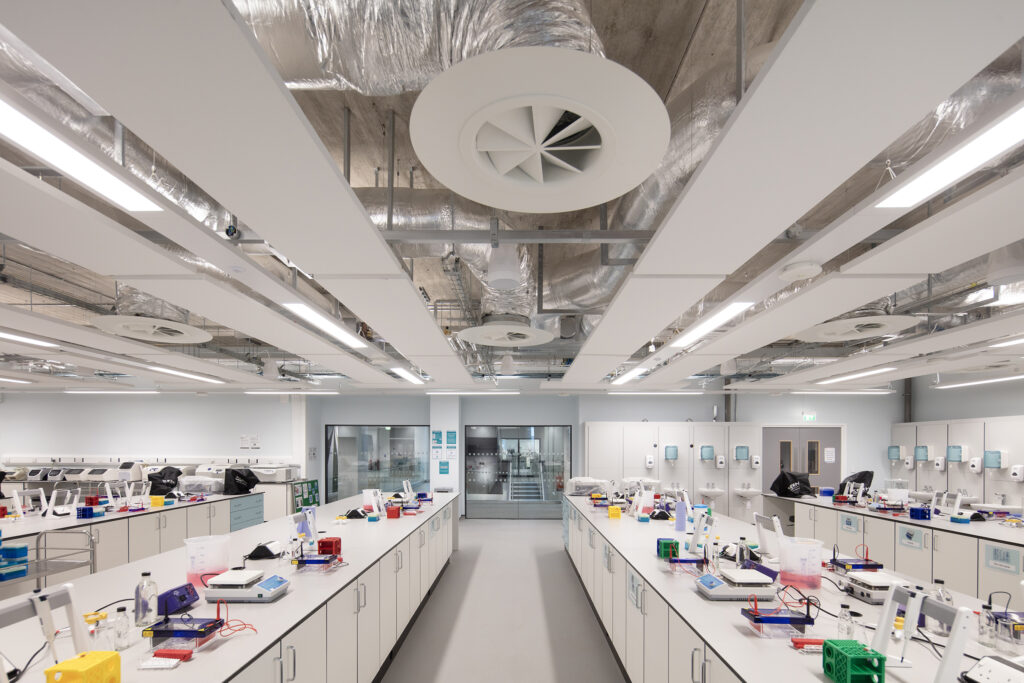
Another approach (arguably much quicker) could be to access the laboratory spaces which already exist in the universities – capacity seems to be there if a commercial agreement could be reached. This would require some alignment or marriage of public / private sector to manage this carefully.
At Curtins, our Science and Technology projects range from under £1 million to £900 million, spread across the North, Midlands and the Golden Triangle of Oxford, Cambridge and London, as well as Scotland and Wales, demonstrating that this sector is thriving across the UK. For more information on our capability in Life Sciences, please contact us.