
Gifford Bioscience Limited, a preclinical contract research organisation, has expanded its facilities at the BioHub Birmingham® with additional radiometric laboratory space.
Gifford Bioscience specialises in receptor pharmacology and occupancy studies for neuroscience, oncology and metabolic diseases. Their work helps customers address the translational gap from models to humans, by bringing together evidence from different experimental systems, to guide decisions about which compounds to progress.
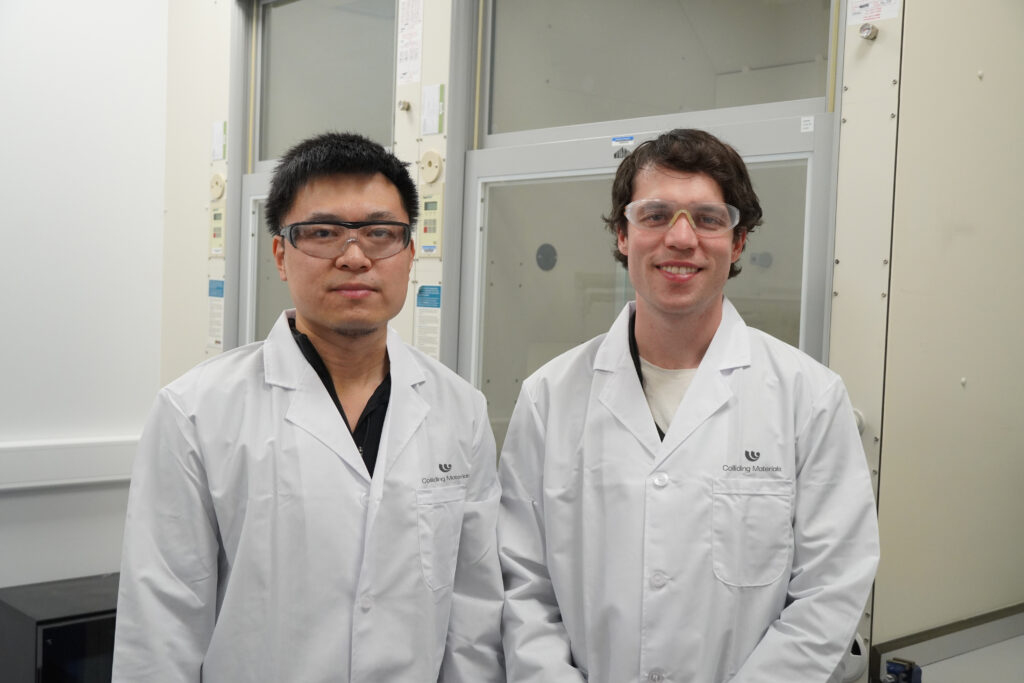
Macer Gifford, Managing Director of Gifford Bioscience (pictured), said: “In recent years we’ve seen consistent demand for our services and much of this has been international, with half our business coming from the US, and a further third from continental Europe.”
The company now employs 12 PhD level scientists, who are all experts in gold-standard radiometric methods and kinetic affinity techniques, which measure how quickly and how strongly two molecules interact. Its customised assays use human and animal tissues, and cultured cells.
Gifford Bioscience’s collaboration with the Queen Elizabeth Hospital Birmingham via the Human Biomaterials Resource Centre, an official biobank operated by the University’s College of Medicine and Health, provides access to diverse post-surgical human tissue. The company also obtains human brain tissue through the UK Brain Bank Network, alongside model tissue, live cells, membranes and recombinant proteins.
Gifford Bioscience has been based at the BioHub Birmingham, the University’s purpose-built biomedical incubator, since 2017. The new laboratory will operate alongside their existing facilities, providing additional capacity for radioligand binding, quantitative autoradiography, uptake and release, and receptor occupancy studies.
Gifford Bioscience celebrated the expansion with members of the BioHub Birmingham facility management team, thanking them for their support throughout the company’s development and growth.
Macer Gifford said: “We chose Birmingham for its concentration of universities, research centres, and hospitals, and its excellent transport links. The BioHub has been a great enabler for us, and the location has provided access to the tissue banks and other research infrastructure we need on a daily basis. It’s a great base to do science from, internationally.”
“We’re always delighted to see our resident companies expand and contribute to the growing biomedical footprint in the region, a real-life example of the incubation pipeline in action,” said Dr Claire Litchfield, Senior Laboratory Manager at the BioHub Birmingham.